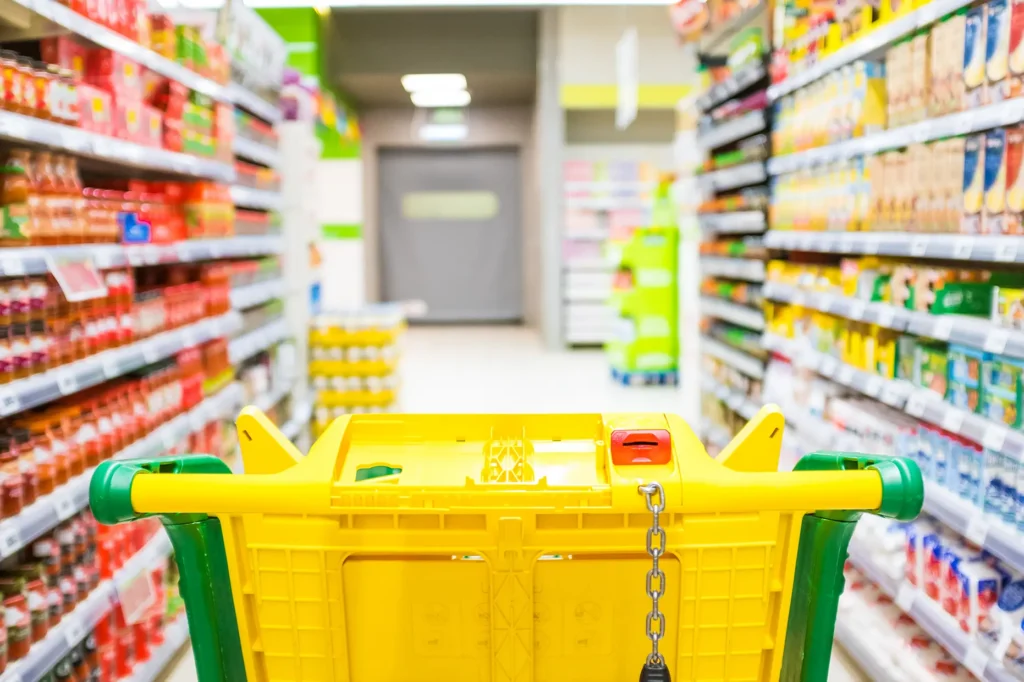
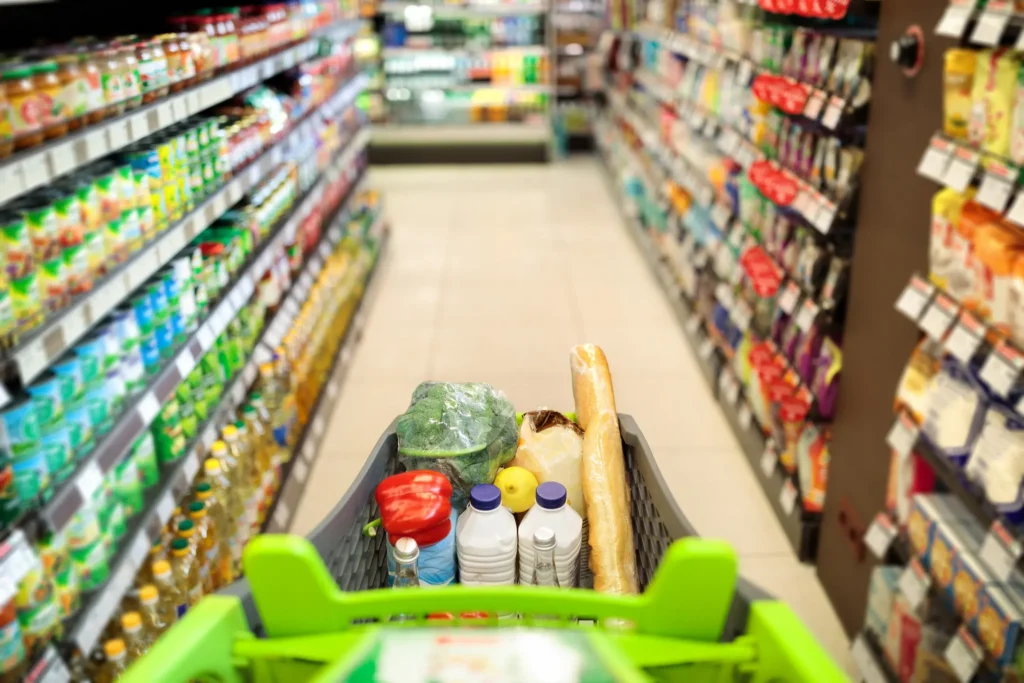
A store layout does more than determine where shelves, displays, and products are placed. It influences what shoppers notice first, where they walk, which products they compare, and how easily they can make a purchase decision.
This is where visual merchandising and display design become important. When the physical environment is planned around shopper behavior and commercial priorities, the store itself becomes part of the sales process.
For brands and retailers, effective store execution means making products easier to notice, understand, and purchase. The objective is not simply to make a store look attractive. It is to create an environment that helps guide customer action.
How Do Store Layouts Drive Customer Action?
So, how do store layouts drive customer action? They influence three fundamental parts of the shopping experience: attention, movement, and decision making.
Customers entering a store are exposed to numerous products and messages at once. A structured layout reduces that visual competition by creating clear priorities. It helps customers understand where to go, what to look at, and which products deserve their attention.
Visibility Directs Attention
Products cannot influence purchase decisions if customers do not notice them.
Shelf positioning, display height, product grouping, signage, and surrounding visual elements all affect visibility. Strong merchandising gives priority products sufficient space and places them where they have a better chance of being seen.
Visibility becomes especially important in categories where several competing products occupy the same area.
Store Flow Influences Movement
Layout also affects how shoppers move through a store.
Clear paths can encourage customers to explore additional sections without making the shopping experience difficult. Poorly arranged fixtures or crowded displays, on the other hand, may interrupt movement and cause customers to overlook products.
An effective layout balances commercial priorities with convenience. Shoppers should be able to move naturally while still encountering relevant products and promotions.
Product Placement Simplifies Decisions
Customers often make decisions quickly at the shelf.
Grouping related items, maintaining organized shelves, keeping price information visible, and presenting promotional offers clearly can make product comparison easier.
Good store layouts reduce unnecessary effort. When customers can quickly understand their options, they are better positioned to take action.
How Visual Merchandising Shapes the Shopping Experience
When asking how store layouts drive customer action with visual merchandising, the answer begins with hierarchy.
Visual merchandising determines which products and messages receive attention within the available space. It uses placement, organization, grouping, and presentation to make a category easier to navigate.
Creating Clear Product Priorities
Not every product can receive equal visual emphasis.
Retailers and brands may need to prioritize new products, promotional items, key variants, seasonal offerings, or high demand products. Effective merchandising establishes these priorities without making the overall display feel disorganized.
This allows customers to identify important products quickly while still seeing the broader assortment.
Making Important Products Easier to Find
Availability alone does not guarantee visibility.
A product can be physically present in a store and still be difficult for customers to notice. Merchandising helps address this by maintaining proper placement, sufficient shelf presence, organized stocks, and accurate supporting materials.
For businesses managing numerous retail locations, professional sales and merchandising services can also help maintain these standards consistently across stores.
How Display Design Turns Attention Into Action
The question of how store layouts drive customer action with display design focuses on how individual areas communicate with shoppers.
Display design can create visual stopping points that interrupt routine shopping behavior and encourage customers to pay closer attention.
Building Effective Focal Points
A focal display should communicate its purpose quickly.
Products, promotional materials, pricing, and supporting graphics should work together rather than compete for attention. Customers should be able to understand what is being presented without needing to study the display.
A strong focal point can help introduce a product, emphasize a promotion, or bring greater attention to an important category.
Supporting Promotions and Product Discovery
Display design can also make promotional activity easier to understand.
A customer should be able to identify the featured product, understand the offer, and determine what to do next. When too many messages are placed in a small area, the promotion can lose impact.
Clear presentation helps move customers from awareness to consideration and, ultimately, purchase.
How Visual Merchandising and Display Design Work Together
So, how do store layouts drive customer action with visual merchandising and display design? The strongest results come when layout, merchandising, and communication support the same objective.
Visual merchandising determines how products should be organized and prioritized. Display design determines how selected products or messages should attract attention. Store layout connects these elements by controlling where customers encounter them.
Together, they create a structured path from visibility to action.
| Store Element | Primary Purpose | Potential Customer Action |
| Store entrance | Establish an immediate visual priority | Notice a campaign or product |
| Main shopping path | Guide customer movement | Explore more categories |
| Shelf arrangement | Improve product visibility and comparison | Consider or select a product |
| Promotional display | Highlight a specific offer or message | Investigate a promotion |
| Checkout area | Capture final purchase opportunities | Add an additional item |
The value comes from coordination. A visually strong display positioned where few customers naturally travel may have limited impact. Similarly, a good location can underperform if the products are poorly organized or the message is unclear.
Store Layout Areas That Can Influence Retail Performance
Different parts of the store serve different commercial purposes. Understanding these roles helps brands determine where merchandising resources should be concentrated.
Entrance Areas
The entrance establishes the first impression of the shopping environment.
Rather than overwhelming customers immediately, this area should introduce clear priorities and make navigation understandable.
Main Shopping Paths
Main traffic areas provide opportunities for visibility because more customers are likely to pass them.
Displays placed along these routes should attract attention without obstructing movement.
Shelves and Product Zones
The shelf is where many purchase decisions happen.
Products need to be organized, visible, properly stocked, and supported by accurate pricing and promotional materials. Execution at this level can directly affect whether shoppers notice or overlook an item.
Checkout Areas
Checkout areas can support additional product discovery at the final stage of the shopping journey.
Products positioned here generally benefit from simple communication and immediate relevance because customers have limited time to evaluate them.
Why Consistent Store Execution Matters
A strong layout or display concept is only valuable when it is executed properly.
For companies operating across multiple stores, consistency becomes a major operational consideration. Products need to be correctly positioned. Displays need to follow approved standards. Stocks need to remain available and organized. Promotional materials need to appear where intended.
This makes field execution an important part of merchandising strategy.
Dedicated merchandisers and coordinators can help brands maintain standards across different outlets while providing information about stock conditions, displays, and execution issues. Businesses evaluating broader retail support can also explore Lamonte‘s Services to understand how merchandising operations, special projects, activations, and business support can work together.
Make Every Part of the Store Work Harder
Store layouts influence far more than appearance. They shape what customers notice, how they navigate the space, and how easily they move from product discovery to purchase.
Effective visual merchandising and display design bring structure to that experience. By coordinating product visibility, customer movement, displays, promotional communication, and consistent execution, businesses can make physical retail environments more purposeful.
For brands looking to strengthen product visibility and maintain merchandising standards across retail locations, Lamonte provides sales and merchandising operations designed to support effective store execution.
Talk to Lamonte about how the right merchandising support can help turn retail space into a stronger driver of customer action and sales.