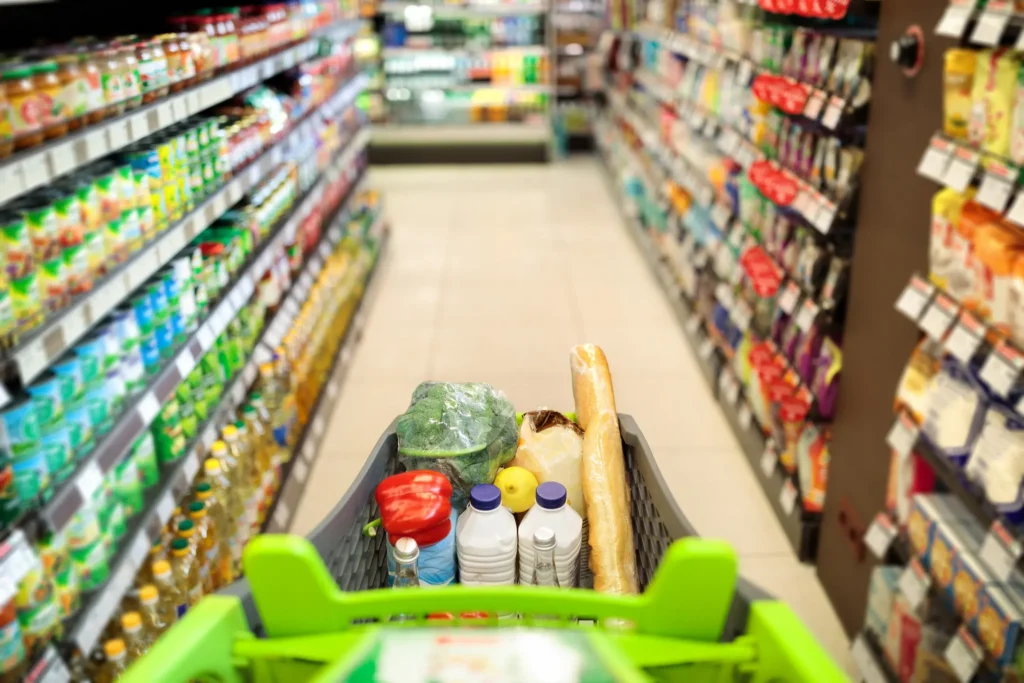

For fast moving consumer goods brands, winning the sale often comes down to what happens inside the store. A product can have strong brand awareness and broad distribution, but those advantages may not translate into purchases if shoppers cannot easily see, find, or access it.
Strategic in store setups address this challenge by making sure products are presented in a way that supports visibility, availability, and purchase decisions. Good execution considers where products are placed, how shelves are maintained, how promotions are presented, and whether the right products are available when customers are ready to buy.
For FMCG companies managing multiple products and retail locations, these seemingly small details can determine whether a sales opportunity is captured or missed.
Why In Store Execution Matters for FMCG Brands
FMCG purchases often happen in busy retail environments where numerous brands compete for limited shopper attention. This makes the physical presentation of a product an important part of its route to purchase.
A strong in store setup gives customers fewer reasons to overlook a product. It creates a clearer path from noticing an item to evaluating it and eventually placing it in the cart.
Visibility Influences Product Discovery
A product cannot generate a store level sale if customers fail to notice it.
Strategic placement helps make priority products easier to find. Shelf position, number of product facings, category organization, signage, and promotional materials can all influence which items attract attention.
The objective is not simply to occupy shelf space. It is to use that space deliberately so the brand is presented clearly within its category.
Availability Protects Sales Opportunities
Visibility becomes irrelevant when the product is unavailable.
Regular inventory checks, shelf replenishment, proper stock rotation, and coordination with store personnel help reduce situations where products are technically in inventory but absent from the selling area.
For FMCG brands, effective merchandising therefore connects product presentation with product availability.
How Can Strategic In Store Setups Boost FMCG Sales?
So, how can strategic in-store setups boost FMCG sales? They improve the conditions in which customers encounter and purchase products.
The setup itself does not replace product demand, pricing, or marketing. Instead, it helps ensure that existing demand is supported by stronger execution at the point where many buying decisions occur.
Put the Right Products in the Right Locations
Product placement should reflect category behavior and business priorities.
Core products need reliable visibility, while new launches and promotional items may require additional emphasis. Related products can also be positioned in ways that make the category easier to understand and browse.
When placement follows a clear strategy, shoppers spend less effort searching for what they need.
Keep Shelves Organized and Fully Stocked
Poor shelf conditions can weaken even a strong retail presence.
Products should be properly arranged, labels should be visible, and empty spaces should be addressed promptly. Merchandisers can also monitor stocks in storage areas and coordinate replenishment before availability becomes a problem.
These operational details help maintain a selling environment that is ready for customers throughout the day.
Make Promotions Easier to Notice
Promotional activity should be immediately understandable.
Displays, signs, price communication, and promotional products need to work together. If the setup becomes too cluttered, important messages can disappear among competing visuals.
Clear promotional execution helps shoppers understand the offer and determine whether it is relevant to them.
Use Store Level Information to Improve Execution
Strong merchandising is not limited to arranging products.
Information gathered from the field can reveal issues involving inventory, placement, promotional compliance, competitor activity, or store conditions. These observations can help companies identify where execution needs attention.
This turns merchandising from a purely operational activity into a useful source of information for ongoing sales decisions.
What Does an Effective FMCG Store Setup Include?
An effective setup brings several store level activities together.
| Area | Role in Store Execution |
| Shelf placement | Makes priority products easier to find |
| Product facing | Improves visibility and presentation |
| Inventory checks | Identifies possible stock shortages |
| Replenishment | Keeps products available on the selling floor |
| Promotional displays | Draws attention to offers and priority products |
| Merchandising materials | Communicates brand and promotional messages |
| Store monitoring | Identifies execution gaps that require action |
These elements work best as part of a coordinated process rather than separate tasks. Brands that need support managing these activities across retail locations can strengthen execution through professional sales and merchandising services.
Why Consistency Across Stores Matters
A strong setup in one outlet is useful. Consistent execution across many outlets is more valuable.
FMCG brands often operate across stores with different layouts, traffic patterns, inventories, and retail conditions. Maintaining standards across these environments requires regular monitoring and people who understand what correct execution should look like.
Clear guidelines, trained merchandising personnel, field supervision, and reporting help ensure that brand priorities are translated into actual store conditions.
Consistency also makes it easier for businesses to identify problems. When expectations are defined clearly, gaps in placement, inventory, displays, or promotional execution become easier to spot and address.
Turn Better Store Execution Into Better Sales Opportunities
When considering how strategic in-store setups boost FMCG sales, the answer is ultimately about reducing friction between the product and the shopper.
Products need to be visible. Shelves need to be stocked. Promotions need to be clear. Store standards need to be maintained. Each element supports the next stage of the buying process.
Strategic in store execution gives FMCG brands greater control over these conditions and helps make retail presence more productive.
For companies looking to strengthen merchandising across stores, Lamonte provides Sales and Merchandising Operations that can support more consistent product presentation and store level execution.
Talk to Lamonte about building an in store merchandising approach that puts products in a stronger position to be seen, selected, and sold.